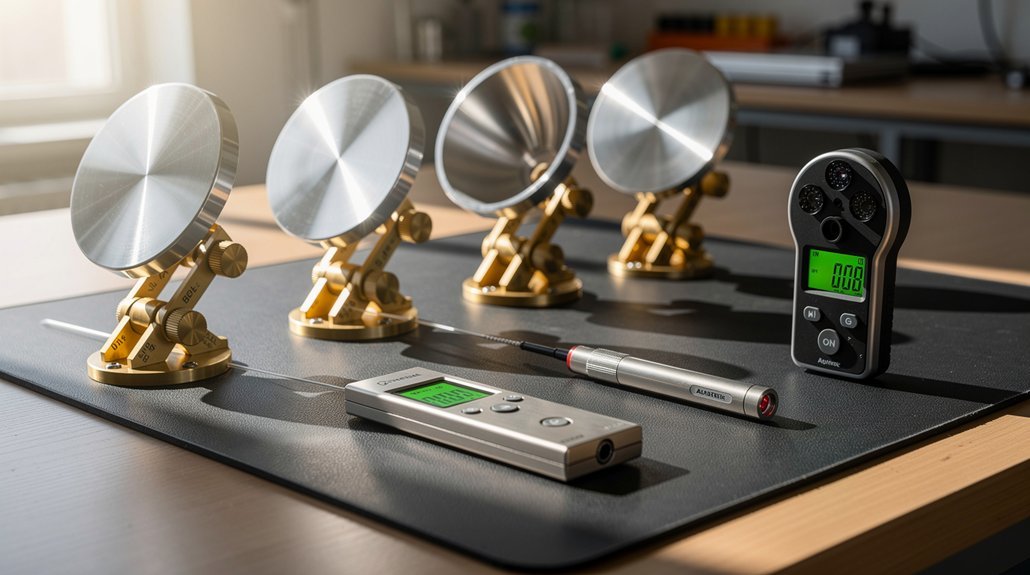

You'll have the best success cooking without power on clear, sunny days with temperatures between 70-85°F and low humidity. The prime cooking hours are 11:00 AM to 3:00 PM when UV rays are strongest, letting you achieve temperatures up to 300°F with solar methods. Spring and summer offer longer daylight hours (4-8 hours) compared to winter (2-4 hours), giving you more cooking time. Avoid attempting solar cooking during rain, snow, or heavy cloud cover. While sunny days are ideal, there are several alternative powerless cooking methods you can explore for challenging weather conditions.
Best Weather for Solar Cooking

When it comes to solar cooking, clear, sunny days provide the ideal conditions for success. You'll get the best results during peak hours between 11:00 am and 3:00 pm when UV rays are strongest.
While a few passing clouds won't ruin your cooking, you need at least 30-45 minutes of good sunlight each hour. You can still cook effectively on partly cloudy days, reaching temperatures around 210 degrees Fahrenheit.
Position your solar oven to face directly into the sun, avoiding any shadows. The weather doesn't need to be hot – well-insulated solar ovens work even in cold temperatures. Finding a sheltered spot from wind will prevent your oven from being disturbed during cooking.
However, you'll have better results in dry conditions with low humidity. Coastal areas can be challenging due to frequent clouds, rain, and fog, so look for clear skies whenever possible.
Ideal Temperature Range
You'll find that off-grid cooking works best when outdoor temperatures stay within the comfort zone of 70-90°F.
Even on cooler days, you can still cook effectively while using less energy since you're not fighting against excessive heat loss.
Working within these temperature ranges lets you maintain steady cooking temperatures while maximizing your alternative energy sources. For optimal results when grilling outdoors, aim for temperatures between 350 and 450°F when cooking versatile proteins like chicken.
Comfort Zone: 70-90°F
The ideal temperature range of 70-90°F creates a sweet spot for outdoor cooking, balancing both comfort and safety.
You'll find that working in these temperatures minimizes the need for additional heating or cooling measures while maintaining your comfort level during food preparation.
Within this range, you can effectively use various cooking methods like grilling, barbecuing, or camping stoves. Clean surfaces thoroughly before and after outdoor meal preparation to prevent foodborne illness.
Remember that while outdoor temperature affects your comfort, it doesn't impact the required internal cooking temperatures for food safety. You'll still need to cook beef to 145°F and poultry to 165°F.
To guarantee success in this comfort zone, keep your cooking thermometer handy and maintain proper food storage practices.
Consider setting up a shaded area and staying hydrated, even in these moderate temperatures, for the best cooking experience.
Cooler Days Save Energy
Smart energy management during cooler days provides ideal conditions for powerless cooking while maintaining comfortable temperatures.
You'll find it easier to control your kitchen's temperature when outdoor conditions are mild, allowing you to use alternative cooking methods effectively.
On cooler days, you can maximize natural ventilation by opening windows and using ceiling fans to disperse cooking heat.
Consider using tea lights or small stoves, which generate minimal heat while providing enough warmth for basic cooking needs.
If you're grilling outdoors, the cooler weather helps prevent your kitchen from becoming uncomfortably warm.
For indoor cooking, slow cookers and multi-cookers work well as they produce less ambient heat. A well-maintained wood-burning stove can provide both cooking capabilities and heating during extended power outages.
Keep your blinds closed during peak sunlight hours to maintain stable indoor temperatures, and use energy-efficient lighting to minimize additional heat output.
Daylight Hours Matter

Successful solar cooking depends on three critical daylight factors: available sunlight, duration, and seasonal timing. You'll need direct sunlight to reach ideal cooking temperatures of 250°F to 300°F, and clouds will considerably reduce your oven's efficiency. Peak cooking hours occur during midday when the sun's highest.
| Time of Year | Best Hours | Challenges |
|---|---|---|
| Summer | 6-8 hrs/day | Tree shadows |
| Spring/Fall | 4-6 hrs/day | Variable weather |
| Winter | 2-4 hrs/day | Weak sunlight |
To maximize your solar cooking success, you'll want to clear any obstructions casting shadows on your oven. Consider using reflective surfaces to redirect sunlight and boost performance during less ideal conditions. Remember that early morning and late afternoon sun isn't strong enough for effective cooking, so plan your meals around peak daylight hours.
Solar Cooking During Storms
When storm clouds roll in, solar cooking becomes impractical and potentially hazardous.
You'll need to abandon your solar cooking plans and switch to alternative methods during stormy weather. Heavy rain and strong winds can destabilize your solar cooker, making it unsafe to use and ineffective at maintaining proper cooking temperatures.
Don't try to persevere through storms with your solar cooker – it's not worth the risk of damage to your equipment or the possibility of undercooked food.
Instead, you should always have a backup cooking plan ready. Since storms can arrive unexpectedly, it's wise to check weather forecasts before planning your solar-cooked meals.
Remember that while solar cooking is an excellent off-grid option, it's completely dependent on weather conditions, making it unreliable during severe weather events.
Rainy Day Alternatives

During power outages and rainy days, you've got plenty of practical alternatives to solar cooking that don't require electricity. Set up a portable grill under a covered area to cook bratwurst and other meats, or use a wood stove to heat soups and water.
If you have a camping pot, you can prepare meals over various heat sources. Focus on comfort foods that'll warm you up, like hearty chickpea soup, vegetable chowder, or slow-cooked stews.
You can also prepare no-cook meals using non-perishable items like overnight oats, tuna, and peanut butter. To maximize heating efficiency, seal ingredients in foil to lock in heat and block drafty areas with heavy-duty tape or towels.
Keep frozen foods cold by using snow or ice, and amplify your lighting with strategically placed mirrors while cooking.
Extreme Weather Safety
Extreme weather events demand careful attention to safety while cooking without power. You'll need to adapt your cooking methods based on conditions.
During high winds or storms, avoid using fire pits or grills that could spread embers. If you're experiencing flooding, keep food supplies on high shelves and use only bottled water that hasn't contacted floodwater.
Stay hydrated and wear breathable cotton clothing when cooking in hot weather. Always maintain proper ventilation, especially when using camp stoves or charcoal grills, and never bring these devices indoors.
Keep a thermometer handy to monitor food temperatures, particularly during heat waves when food spoils faster. Follow the 4-hour rule for refrigerated items and transfer perishables to coolers with ice if your power outage extends beyond this window.
Humidity and Cooking Performance

Understanding humidity's impact on cooking can greatly improve your off-grid meal preparation. When you're cooking without power, you'll need to take into account how moisture in the air affects your food's texture and cooking time. High humidity helps prevent food from drying out and maintains heat within your ingredients, which is essential for food safety and quality.
| Humidity Level | Effect on Food | Cooking Tips |
|---|---|---|
| High (>70%) | Slower evaporation, better heat retention | Great for bread, steaming |
| Medium (45-70%) | Balanced moisture, even cooking | Ideal for most dishes |
| Low (<45%) | Rapid drying, possible case-hardening | Add water source nearby |
| Very Low (<30%) | Excessive moisture loss, uneven cooking | Cover food while cooking |
You'll get better results by cooking during humid periods, as the moisture helps distribute heat more effectively and prevents your food from drying out too quickly.
Dark Days and Backup Options
When you're cooking without power, you'll need reliable light sources like battery-operated lanterns, headlamps, or solar-powered lights to safely prepare meals in dark conditions.
Your indoor emergency cooking setup should include both primary and backup lighting options positioned strategically around your cooking area.
Keep your light sources elevated and away from direct heat while ensuring they're bright enough to illuminate your cooking surface and surrounding workspace.
Alternative Light Sources
Power outages and natural disasters can leave you cooking in the dark, making reliable light sources essential for food preparation and safety.
You'll find candles provide minimal heat for warming small items and boiling water, though they're not suitable for complex meals. For more substantial cooking needs, you can rely on propane or butane stoves, which offer consistent heat and lighting.
If you're outdoors or have proper ventilation, fire and embers serve as excellent cooking sources while providing necessary light. You'll need to master various fire-starting techniques and safety protocols.
While solar ovens can reach impressive temperatures on sunny days, they won't help with lighting and aren't reliable in cloudy weather.
Keep multiple lighting options in your emergency kit, ensuring you're prepared for any situation that leaves you without power.
Indoor Emergency Cooking Methods
Safe indoor cooking during emergencies requires careful planning and suitable equipment choices.
You'll need to focus on ventilation and proper fuel selection to protect your family from carbon monoxide poisoning. Butane stoves near vented windows offer a reliable solution, while fondue pots and chafing dishes can safely warm meals using approved fuels.
- Don't risk your loved ones' lives by using charcoal indoors – the silent killer of carbon monoxide isn't worth the risk.
- Keep your family nourished with portable butane stoves, properly positioned near ventilation.
- Protect your home by having a dry chemical extinguisher ready and knowing your gas shut-off valve location.
Remember to cook only what you'll eat immediately and maintain strict food safety practices.
Clean all surfaces thoroughly and store any leftovers in ice-cooled containers for no more than 24 hours.
Heat Wave Cooking Tips

During intense heat waves, cooking efficiently can help you stay cool while preparing nourishing meals for your family. Focus on preparing meals during cooler hours and embrace light, invigorating options like salads and chilled soups. You'll want to minimize indoor cooking that generates excess heat.
| Strategy | Benefit |
|---|---|
| Solar Cooking | Uses no electricity, keeps kitchen cool |
| Outdoor Grilling | Maintains indoor comfort, adds flavor |
| Morning Prep | Avoid peak heat, food stays fresh longer |
When cooking is necessary, opt for quick-cooking methods like stir-frying or use energy-efficient appliances such as microwaves and toaster ovens. Don't forget to stay hydrated and wear breathable clothing while cooking. If you're using outdoor methods, make sure you're in a shaded area and follow proper food safety guidelines, especially regarding refrigeration and the 4-hour rule for perishables.
Seasonal Weather Impact
When you're cooking without power, you'll find each season brings unique challenges and opportunities to prepare meals safely.
Summer heat speeds up your cooking times but requires careful attention to food safety and hydration, while spring's moderate temperatures make it an ideal time for outdoor cooking methods.
Winter's cold temperatures will slow down your cooking process, so you'll need to adapt with alternative methods like properly ventilated indoor camp stoves or well-maintained outdoor grills.
Summer Heat Cooking Tips
Sultry summer days can transform your kitchen into an unbearable hotbox, making traditional cooking feel like a challenging task.
You'll find relief by taking your cooking outdoors with a grill or using heat-efficient appliances like slow cookers and air fryers. Consider prepping ingredients the night before and cooking in batches during cooler morning hours.
- Embrace invigorating meals like Greek Farro Salad or Vietnamese Cold Rolls that don't require heating
- Switch to quick-cooking proteins and smaller portions that won't overheat your space
- Let your microwave become your best friend for reheating and simple cooking tasks
Keep food safety in mind by maintaining cold items below 41°F, and opt for appetite-stimulating spicy dishes that can help counter heat's energy-draining effects.
You'll discover that summer cooking can be both efficient and enjoyable with these strategic adjustments.
Spring Weather Advantages
Spring's gentle temperatures and abundant sunshine create ideal conditions for outdoor cooking and meal preparation. You'll find longer daylight hours and fresh air perfect for organizing barbecues and outdoor gatherings. The mild weather lets you comfortably prepare meals while enjoying nature's benefits.
| Spring Advantage | Cooking Benefit |
|---|---|
| Mild Temperature | Comfortable outdoor food prep |
| Fresh Air | Enhanced flavor enjoyment |
| Natural Light | Better visibility for cooking |
| Seasonal Produce | Fresh ingredients available |
This season's weather pattern supports a healthier lifestyle, letting you combine physical activity with meal preparation. You can take advantage of abundant spring produce like asparagus and strawberries while hosting social gatherings. The pleasant conditions make it easier to cook outdoors, reducing your dependence on powered appliances while creating lasting memories with friends and family.
Winter Alternative Methods
During winter's harsh conditions, you'll need reliable alternatives to standard cooking methods when power fails. Indoor options like thermal cookers and stovetop grilling can keep you warm while preparing meals.
For outdoor cooking, you can use Dutch ovens over campfires or wood-burning stoves, but always prioritize safety and proper ventilation to prevent carbon monoxide poisoning.
- Your life depends on maintaining proper ventilation when using fuel-based cooking methods.
- You must protect yourself from hypothermia by staying dry and wearing layers while cooking outdoors.
- Your family's safety requires working carbon monoxide alarms on every floor.
Consider using alternative heat sources like HERC ovens or butane stove burners, and always keep your cooking area clear of flammable materials.
Air Quality Concerns

While cooking is essential for meal preparation, it can greatly impact indoor air quality through various pollutants and emissions.
You'll face different air quality challenges depending on your cooking method. Natural gas cooking releases more harmful particles, including CO, CO2, and NOx, while electric cooking generally produces fewer pollutants.
Regardless of your cooking method, the food itself can release dangerous compounds like PAHs and acrylamide, especially when cooking meat at high temperatures.
To protect yourself, you'll need proper ventilation. Use range hoods that vent outdoors, cook on back burners when possible, and open multiple windows to create cross-ventilation.
If you're using indoor cooking methods during a power outage, it's vital to maintain adequate airflow to minimize exposure to these harmful pollutants.
Equipment Weather Protection
Protecting your outdoor cooking equipment from harsh weather conditions requires careful material selection and proper maintenance strategies. Choose weather-resistant materials like stainless steel and stone, while opting for lightweight, portable equipment you can easily store when storms approach.
- Don't let your cherished outdoor kitchen become a victim of nature's fury – invest in high-quality covers with UV protection.
- Transform your cooking space into a sheltered sanctuary with a sturdy pergola or awning.
- Take pride in maintaining your equipment's longevity through regular cleaning and prompt repairs.
Install proper ventilation and regularly inspect your equipment for weather-related damage. Store delicate items indoors and keep your cooking area clear of debris.
Remember to check local building codes when setting up weather protection solutions like permanent shelters or vent hoods.
Emergency Weather Planning

Because extreme weather can strike without warning, you'll need a thorough plan for cooking safely in any conditions. You can cook outdoors when there's clear to partly cloudy skies, mild temperatures, and light winds.
However, you'll need to move indoors during heavy rain, snow, or strong storms.
When cooking inside, never use grills or camp stoves – they're dangerous due to carbon monoxide risks. Instead, rely on safe indoor alternatives like fondue pots or chafing dishes with approved fuels.
Make sure you've got working CO detectors on every floor and proper ventilation. If you're using a fireplace for cooking, keep the flue open.
For electricity-free options, consider hay box ovens, earth ovens, or self-heating meals that don't require traditional power sources.
Frequently Asked Questions
Can Snow Reflection Improve Solar Cooking Efficiency in Winter Months?
Yes, you'll find snow reflection can greatly boost your solar cooking efficiency in winter. The snow acts as a natural reflector, multiplying sunlight intensity and helping compensate for shorter days and lower sun angles.
How Do Different Cloud Types Affect Solar Cooking Temperatures?
You'll get the highest temperatures with clear skies. Thin, wispy cirrus clouds slightly reduce efficiency, while thick cumulus clouds considerably drop cooking temps. Dense stratus clouds make solar cooking nearly impossible.
Does Cooking at High Altitudes Change Solar Oven Performance?
Yes, at higher altitudes you'll experience faster cooking times due to increased solar radiation. You'll get more direct sunlight through thinner atmosphere, though you'll need to adjust your oven's position and insulation frequently.
Can Morning Dew Impact the Effectiveness of Solar Reflectors?
Yes, morning dew will reduce your solar reflector's effectiveness. You'll see decreased performance as water droplets scatter sunlight and reduce reflection. It can lower efficiency by up to 9% when covering significant surface area.
Does Air Pollution From Wildfires Affect Solar Cooking Times?
Yes, wildfire smoke can slow down your solar cooking times by reducing sunlight intensity, but it won't prevent you from cooking entirely. You'll just need to allow a bit more time for meals.
In Summary
You'll find that sunny weather between 70-100°F provides ideal conditions for solar cooking without power. While you're planning your off-grid meals, remember that clear skies and longer daylight hours are essential. Don't let cloudy days discourage you – keep alternative methods like thermal cookers ready. By understanding weather patterns and protecting your equipment, you can successfully cook without electricity year-round.