
Food takes longer to cook under the sun because solar cooking relies on indirect heat transfer methods that are less intense than conventional cooking. While your regular oven can instantly reach high temperatures, solar cookers typically operate at lower temperatures between 200-400°F and depend heavily on weather conditions. You'll notice cooking times vary based on factors like cloud cover, humidity, and seasonal changes. The sun's energy must be concentrated through reflective surfaces, converted to heat, and then trapped effectively to cook your food. Proper positioning and cooker design play significant roles in achieving ideal temperatures for successful sun-powered meals. Understanding these fundamentals will help you master the art of solar cooking.
The Science Behind Solar Cooking
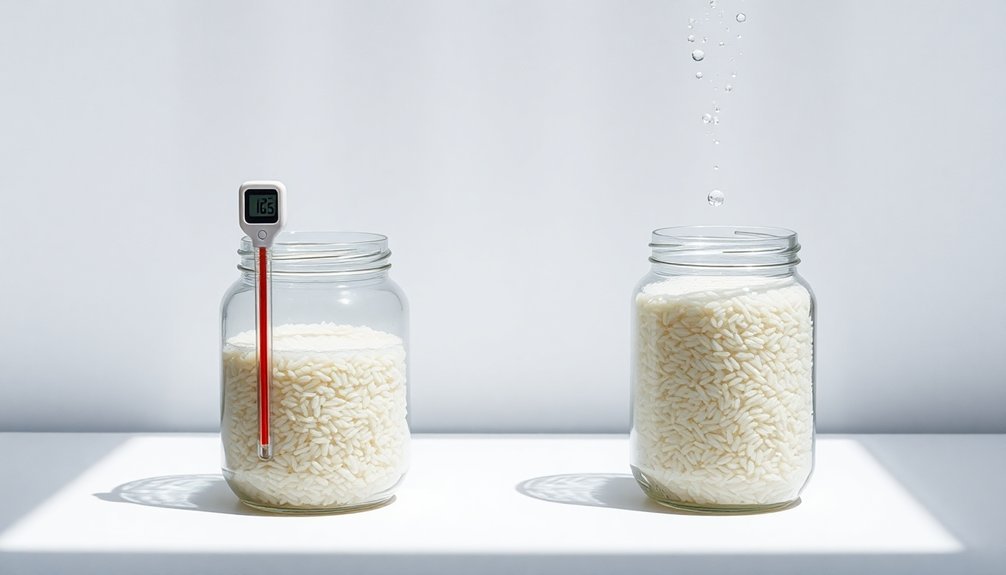
While traditional cooking relies on burning fuel, solar cooking harnesses the sun's energy through three key processes: concentrating sunlight, converting light to heat, and trapping thermal energy.
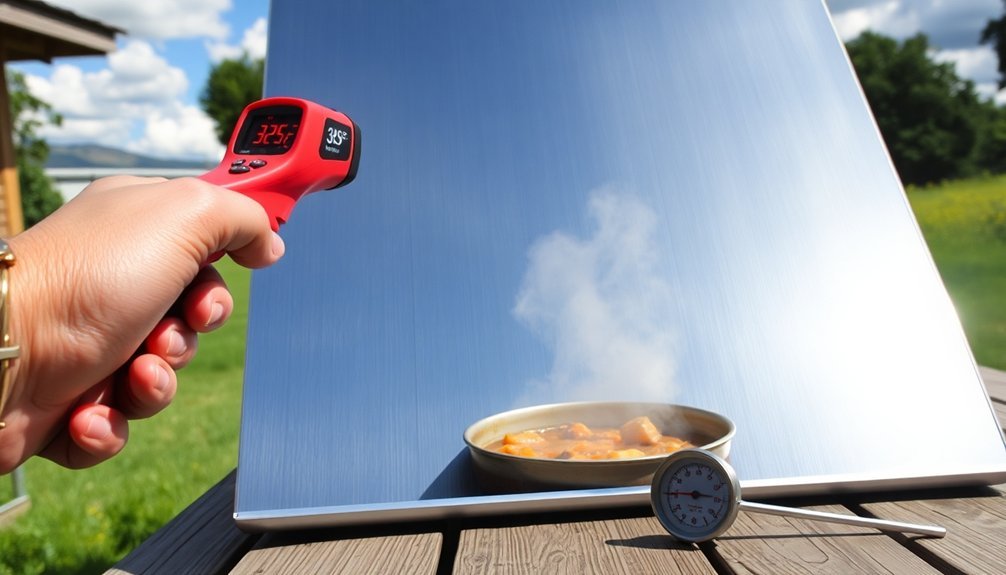
You'll find reflective materials like aluminum foil and mirrors concentrating sunlight to a focal point, where temperatures can reach up to 400°F. When this concentrated light hits dark surfaces inside the cooker, it's converted into heat energy through a process called conduction.
The UV rays transform into infrared beams that cook your food. Layered insulation materials help maximize the heat retention inside the solar cooker.
To keep this valuable heat from escaping, solar cookers use a greenhouse effect created by transparent lids and insulation materials. The trapped heat gradually builds up, though it's not as intense as conventional cooking methods – that's why your food takes longer to cook under the sun.
Heat Distribution and Reflection
Understanding how heat moves and reflects in a solar cooker can help you maximize its efficiency. Heat travels through conduction in materials like aluminum and glass, while hot air rises through convection. The transparent lid traps this heat inside, creating a greenhouse effect that's essential for cooking.
You'll want to position your cooker away from wind to prevent heat loss. For optimal results, double-click specific text instructions on your solar cooker's manual to ensure proper setup.
- Use reflective surfaces like aluminum foil or mirrors to direct more sunlight onto your cooking pot – they'll concentrate the solar energy where you need it most.
- Choose dark-colored cookware to absorb heat more effectively.
- Add layers of insulation (newspapers, cotton, or packing peanuts) to maintain temperature.
- Make sure your cooker's interior has shiny sides and a black bottom to maximize light reflection onto the food.
Temperature Control Challenges
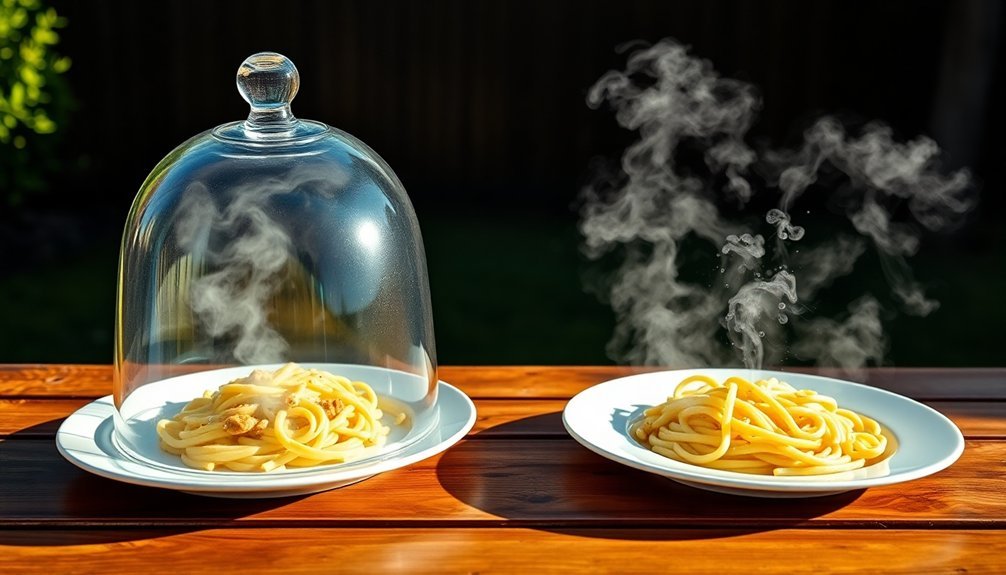
Since outdoor cooking relies heavily on weather conditions, maintaining consistent temperatures presents several unique challenges.
You'll find that humidity levels greatly impact your cooking times – high humidity speeds up the process, while low humidity causes moisture to evaporate quickly, extending cooking duration. Weather elements like rain, wind, and snow can destabilize your cooking temperature.
When you're grilling in cold weather, you'll need to preheat longer and keep the lid closed to trap heat. Every time you open the lid, you'll lose precious heat and create temperature fluctuations. Having a single lever air control can help you make precise temperature adjustments when needed.
Managing these variables becomes even more complex at different altitudes, where changing atmospheric pressure affects moisture evaporation and boiling points. To maintain steady temperatures, you'll want to avoid frequent temperature adjustments and guarantee proper airflow circulation.
Weather Effects on Cooking Time
Weather plays an essential role in solar cooking, with cloud cover greatly altering how long your food takes to cook through its impact on available direct sunlight.
You'll notice that diffused light on cloudy days reduces cooking efficiency compared to clear skies with direct sunlight hitting your solar cooker.
Throughout the year, seasonal temperature variations affect your cooking times as well, with shorter winter days and lower ambient temperatures requiring longer cooking periods than warm summer conditions. Similar to traditional baking, higher altitudes can significantly impact cooking times and outcomes when using solar methods.
Cloud Cover's Major Impact
While clear skies might promise ideal outdoor cooking conditions, cloud cover plays a pivotal role in determining how long your food will take to cook.
You'll notice that clouds reflect sunlight back into space, reducing the solar energy reaching your cooking area. During daytime cooking, this means you'll need more time as less heat reaches the surface.
- During cloudy days, you'll experience longer cooking times due to reduced solar energy absorption
- At night, clouds actually help retain heat by trapping it close to the surface
- High humidity under cloud cover keeps moisture from evaporating quickly, which can speed up cooking
- You'll need to adjust your cooking times based on the balance between clouds' insulating and reflecting effects
Watch the skies carefully – they're your key to perfect outdoor cooking timing.
Direct vs. Diffused Light
Beyond cloud cover, understanding the difference between direct and diffused light can make or break your outdoor cooking success.
Direct sunlight creates intense, uneven heat that can cause your ingredients to behave unpredictably. You'll notice butter melting faster and dough rising more quickly, especially at higher altitudes.
In contrast, diffused light offers more stable cooking conditions. When sunlight is scattered through clouds or filtered through shade, you won't need to make as many adjustments to your recipes.
The even distribution of heat helps maintain consistent moisture levels in your ingredients and provides better temperature control. If you're baking outdoors, you'll find it easier to achieve reliable results on days with diffused light, as you won't have to constantly compensate for extreme temperature fluctuations.
Seasonal Temperature Variations
Seasonal changes bring important challenges to outdoor cooking, affecting everything from temperature control to cooking duration.
You'll find that cold air, wind, and rain can greatly slow down your cooking process, while higher temperatures might speed it up unexpectedly.
Humidity plays an essential role too – high moisture levels in the air can trap heat and accelerate cooking, while dry conditions often extend cooking times.
- When cooking in cold weather, add 15-20% to your usual cooking time to compensate for heat loss
- Monitor food closely in humid conditions, as it can cook up to 25% faster than expected
- At higher altitudes, reduce cooking temperature by 25°F for every 3,000 feet above sea level
- Position food on upper oven racks during cold weather to maximize heat exposure and efficiency
Best Foods for Solar Ovens
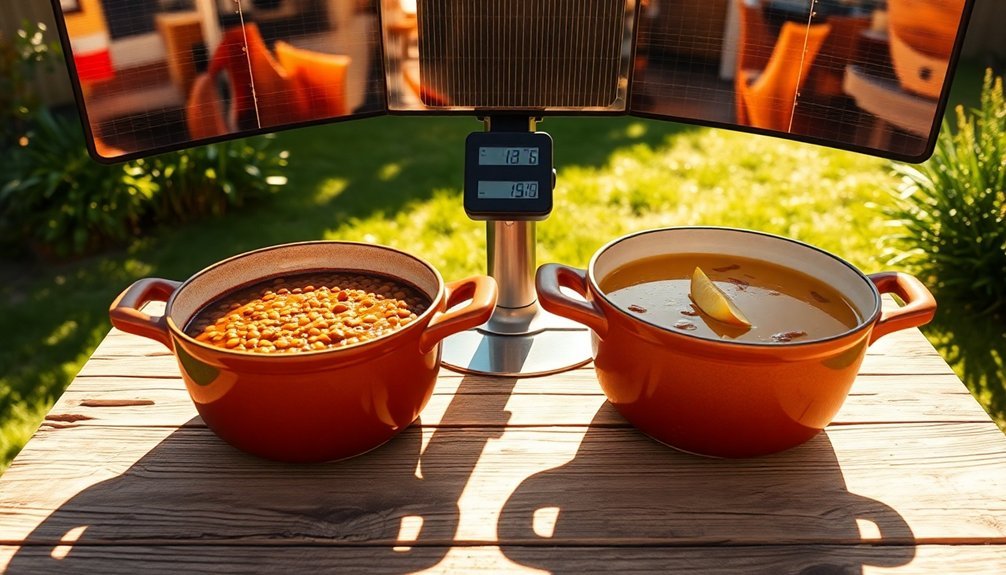
When you're planning meals for your solar oven, start with dishes that cook reliably and safely, like vegetable-based stews, tender cuts of meat, and egg-based dishes.
You'll find that moisture-rich foods typically cook more evenly and predictably, while foods requiring precise temperatures might prove challenging.
To minimize cooking time, opt for ingredients that respond well to gentle, sustained heat, such as rice, legumes, and pre-cooked components that only need reheating.
Safe Solar Meal Options
Solar ovens offer a diverse menu of safe cooking options, from hearty stews to delectable desserts.
You'll find that slow-cooked meals retain more nutrients since they're not exposed to harsh cooking methods like frying or microwaving. When using a solar oven, you can prepare protein-rich dishes like chicken, fish, and legumes while maintaining food safety through proper temperature monitoring.
For successful solar cooking, remember these essential guidelines:
- Preheat your solar oven before adding food
- Cook during peak sun hours (11 AM – 3 PM)
- Use a cooking thermometer to verify safe temperatures
- Redirect the oven toward the sun hourly
You can create nutritious meals ranging from quinoa burritos to zucchini quiche, and even treats like Apple Strudel – all while preserving flavors and nutrients through gentle, sun-powered cooking.
Quick Cooking Food Choices
Choosing the right foods for your solar oven can dramatically reduce cooking times and enhance results. You'll find that water-rich vegetables and thin-profiled dishes cook fastest, while dense foods require more patience. Dark cookware and shallow pots will help speed up the process.
| Quick-Cooking Foods | Approx. Time |
|---|---|
| Tandoori Chicken | 30 minutes |
| Pumpkin Scones | 30 minutes |
| Breakfast Frittata | 45 minutes |
| Roasted Vegetables | 60 minutes |
| Mediterranean Flatbread | 90 minutes |
For best results, you'll want to cook between 10:00 and 2:00 when the sun's energy is strongest. Remember to preheat your solar oven and use fruits, grains, and vegetables with high moisture content. Quick-cooking options like quinoa and spinach work particularly well, while dense legumes need more time to become tender.
Positioning Your Solar Cooker
To achieve ideal cooking results with your solar cooker, proper positioning plays an essential role throughout the day.
You'll need to track the sun's movement between 11 AM and 3 PM, when solar intensity peaks. Position your cooker on a level surface and adjust it every 20-30 minutes, using shadow lines to guide your east/west and up/down alignments.
- Orient the shorter front panel eastward for noon meals or westward for evening cooking.
- Set your cooker's angle equal to your location's latitude for best exposure.
- Create an air gap under your pot using a wire rack to enhance heat retention.
- Clean reflector surfaces regularly and maintain a 15° adjustment tolerance.
For stability in windy conditions, secure the structure with large stones and use wind barriers when needed.
Insulation Matters
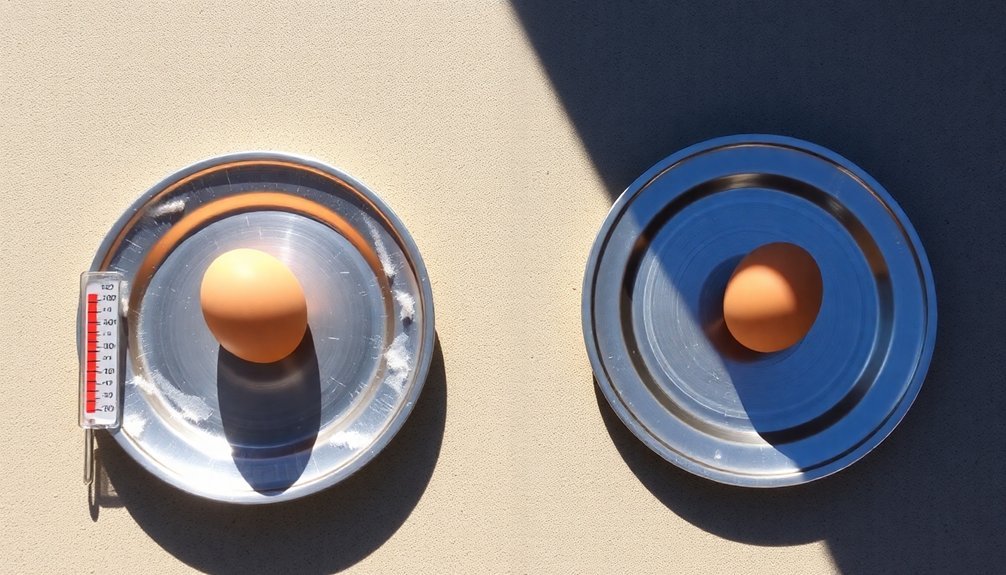
While proper positioning helps maximize sunlight capture, effective insulation determines how well your solar cooker retains that valuable heat. Without proper insulation surrounding your cooker's interior cavity, the heat you've gathered will quickly escape into the atmosphere, making it impossible to reach cooking temperatures.
You'll want to insulate all sides except the glazed top using materials like aluminum foil, fiberglass, wool, or even crumpled newspaper. Double-glazing your transparent top panel also helps reduce heat loss.
When you've insulated correctly, your cooker can maintain consistent temperatures even during cloudy moments, and you'll achieve higher cooking temperatures overall.
Remember to include a moisture barrier to protect your insulation from water damage, as this will guarantee your cooker's long-term performance and structural integrity.
Seasonal Cooking Variations
Your cooking times will vary considerably between winter and summer months due to differences in daylight hours and solar intensity.
You'll notice food takes longer to heat during winter's shorter days when the sun's rays are less direct and temperatures are cooler.
In contrast, summer's extended daylight hours and stronger solar radiation allow for faster cooking times, especially during peak sun hours when UV exposure is highest.
Winter Vs Summer Times
Just as nature adapts to changing seasons, cooking habits shift dramatically between winter and summer months.
You'll notice your preferences gravitating toward heartier, warming dishes when it's cold, while summer brings a desire for lighter, invigorating meals.
During winter, you're likely to use your oven more frequently, creating stews and casseroles that help heat your kitchen.
In contrast, summer cooking often moves outdoors to avoid heating up your home.
- Winter meals focus on root vegetables and high-calorie ingredients to provide warmth and energy
- Summer dishes emphasize fresh, seasonal produce and grilled preparations
- Holiday baking increases during winter months, while ice cream consumption peaks in summer
- Your pantry usage rises in winter due to limited fresh produce, but summer offers abundant fresh options
Daylight Hours Impact Cooking
Seasonal changes in daylight hours dramatically affect your solar cooking schedule and effectiveness throughout the year.
During summer, you'll benefit from longer days and more intense sunlight, allowing for extended cooking periods and higher temperatures.
However, winter presents significant challenges with its shorter days and lower sun angle, which means you'll need to start cooking earlier and may require longer cooking times.
You'll find that adapting to these seasonal variations is essential.
In winter, you can pre-heat your solar oven and break down cooking into multiple days if needed.
During spring and fall, you'll want to track the sun's position more carefully and adjust your cooker frequently.
If you're in regions far from the equator, these seasonal differences become even more pronounced, requiring careful planning of your solar cooking schedule.
Intensity Changes By Season
Building on how daylight affects solar cooking, temperature fluctuations throughout the year also play a major role in both cooking times and food choices.
You'll notice that seasonal changes notably impact how long it takes to prepare meals using solar energy, with summer offering the most efficient cooking conditions.
- Winter's lower temperatures increase your body's caloric needs, making hearty, slow-cooked meals more appealing, though they'll take longer to prepare in solar cookers.
- Spring brings moderate temperatures ideal for cooking lighter proteins like fish and legumes.
- Summer's intense heat creates the fastest solar cooking times, perfect for fresh produce and quick-cooking ingredients.
- Fall's cooling temperatures signal a return to warming foods, requiring longer cooking periods to achieve desired results.
Time Management Tips
Managing your time effectively is essential for maximizing productivity and reducing stress in today's fast-paced world. Start by selecting a planning tool that suits your style – whether it's a digital calendar, notebook, or phone app – and stick to it consistently.
If you're an auditory learner, try dictating your thoughts instead of writing them down. Use time blocking to schedule focused work periods and group similar tasks together. Break larger projects into smaller timeboxes, and protect your high-priority activities from interruptions.
Remember to limit your scheduled time to about 75% of your day, leaving room for creative activities and unexpected tasks. Minimize distractions by turning off notifications and avoiding multitasking.
The Pomodoro Technique can help you maintain focus by working in short intervals with regular breaks to prevent burnout.
Food Safety Considerations
When preparing food outdoors, proper safety measures become critical to prevent foodborne illness. Keep hot foods above 140°F and cold foods below 40°F to avoid the dangerous "temperature danger zone" where bacteria thrive.
Use separate cutting boards for raw and cooked items, and store raw meats in sealed containers at the bottom of your cooler to prevent cross-contamination.
- Monitor food temperatures with a reliable thermometer: 165°F for poultry, 160°F for ground meats, and 145°F for steaks and fish
- Don't leave food outside for more than 2 hours (1 hour if it's above 90°F)
- Transport perishables in ice-packed coolers and minimize opening them
- Never reuse marinades or sauces that have touched raw meat, and always marinate in the refrigerator
Energy Efficiency and Performance
The efficiency of solar cooking presents unique challenges compared to conventional methods, primarily due to its reliance on variable sunlight intensity and energy conversion rates.
You'll find that solar cookers typically operate at efficiency rates between 34.5% and 40.3%, with maximum cooking power reaching only 42.5 to 58.2 Watts.
Your cooking success depends heavily on the type of solar cooker you're using. Parabolic designs achieve higher temperatures than box or panel cookers, but they all require proper positioning to follow the sun's movement.
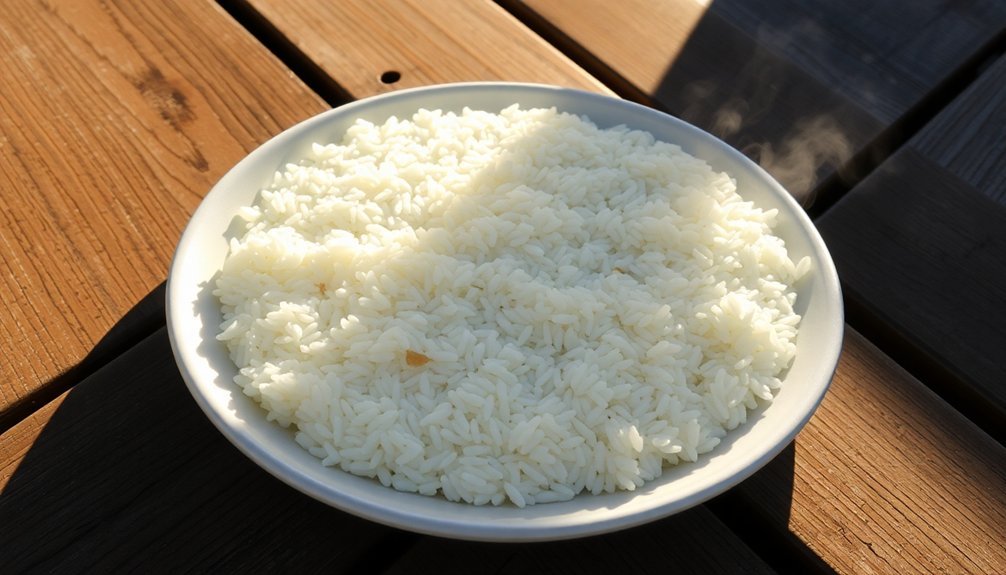
You'll need to preheat your cooker for 15-30 minutes and expect longer cooking times – for example, rice and plantain can take up to 151 minutes to cook.
Using heat-storing materials like black engine oil or black-coated granite can help improve your cooker's thermal efficiency.
Frequently Asked Questions
Can Solar Cookers Work at Night Using Moonlight?
No, you can't cook with moonlight in solar cookers since it's 360,000 times weaker than sunlight. However, you can use stored thermal energy from daytime heat or hybrid systems for nighttime cooking.
How Long Does a Solar Cooker Typically Last Before Needing Replacement?
With proper maintenance, you'll get 5-20 years from your solar cooker. Box cookers typically last 20+ years, while parabolic models give you 5-15 years. Regular care and quality materials extend their lifespan considerably.
Do Different Colored Cooking Pots Affect Solar Cooking Efficiency?
Yes, your pot's color greatly affects solar cooking efficiency. You'll find dark-colored pots cook faster by absorbing more sunlight, while light-colored ones reflect heat away, making your cooking time longer.
Can Solar Cookers Be Used Indoors Through Windows?
You'll find solar cooking through windows isn't very effective. Modern windows block UV rays, reducing cooking efficiency. For best results, you should use your solar cooker outdoors or on a south-facing balcony instead.
Are There Special Cleaning Methods for Maintaining Reflective Surfaces?
Yes, you'll need specific methods to clean reflective surfaces. Use compressed gas for dust, gentle solvents like isopropyl alcohol for stains, and microfiber cloths for buffing. Always avoid harsh chemicals and abrasives.
In Summary
Solar cooking takes longer because you're relying solely on the sun's energy, which can't match conventional ovens' consistent heat. You'll need to plan ahead and consider factors like weather, season, and food type. While it's more time-consuming, you're using clean energy and preserving nutrients in your food. Remember to follow safety guidelines and temperature requirements for proper cooking, especially during cloudy days or winter months.

Leave a Reply