
You can slash your monthly food and energy costs by up to 70% when you harness the sun's free power to batch cook 20 meals at once. By using a simple solar cooker setup with cardboard, aluminum foil, and clear plastic wrap, you'll save up to 20 hours weekly on meal prep while preventing harmful CO2 emissions. The key is maximizing peak sunlight hours between 11 AM and 3 PM to efficiently cook staples like rice, beans, and one-pot stews. With proper storage containers and careful planning, you'll create nutritious meals while saving over $1,000 annually. Let's explore how this sustainable cooking method can transform your kitchen routine.
Why Solar Batch Cooking

While traditional cooking methods deplete resources and harm the environment, solar batch cooking offers a sustainable solution with remarkable benefits.
You'll save up to 20 hours weekly by eliminating fuel gathering, while preventing nearly six million tonnes of CO2 emissions annually. Plus, you're protecting forests and wildlife habitats with every meal you prepare.
Your food will be healthier and more flavorful since solar cooking preserves nutrients through low-temperature cooking. It breaks down complex carbohydrates naturally, enhancing taste without added ingredients. The minimal air circulation keeps dishes succulent and tender throughout the entire cooking process.
You'll also avoid the harmful smoke and fumes associated with conventional cooking methods. During emergencies or power outages, you'll maintain independence from utility companies while ensuring safe food preparation.
Best of all, you're joining a global movement of over 14.3 million people who've embraced this sustainable cooking approach.
Essential Solar Cooking Equipment
A successful solar cooking journey begins with the right equipment. You'll need a sturdy cardboard box, like a pizza box or shoebox, as your oven's foundation. Line it with aluminum foil for reflection and black construction paper to absorb heat. Clear plastic wrap creates a window that traps heat inside, while tape secures everything in place. For optimal insulation, rolled-up newspaper sheets can fill any gaps between boxes.
- A box knife gliding through cardboard to create precise flaps and openings
- Shiny aluminum foil reflecting sunlight like a mirror's surface
- Clear plastic wrap stretched taut like a greenhouse window
- Black paper absorbing sunlight like a solar sponge
- Glass containers sitting ready to transform raw ingredients into meals
Don't forget essential safety items like oven thermometers to monitor temperature and pot holders to handle hot containers.
Position your oven where it'll get maximum sunlight, and you're ready to start batch cooking.
Planning Your Solar Menu

Start your solar meal planning by creating a budget for essential supplies like storage containers, thermometers, and seasonal ingredients that work well with solar cooking methods.
You'll want to select recipes that can withstand variable weather conditions, focusing on dishes that can be easily modified if cloud cover affects cooking times.
Make a detailed weekly shopping list and invest in proper storage solutions to keep your prepped ingredients fresh and organized for multiple solar cooking sessions.
Budgeting Solar Cooking Supplies
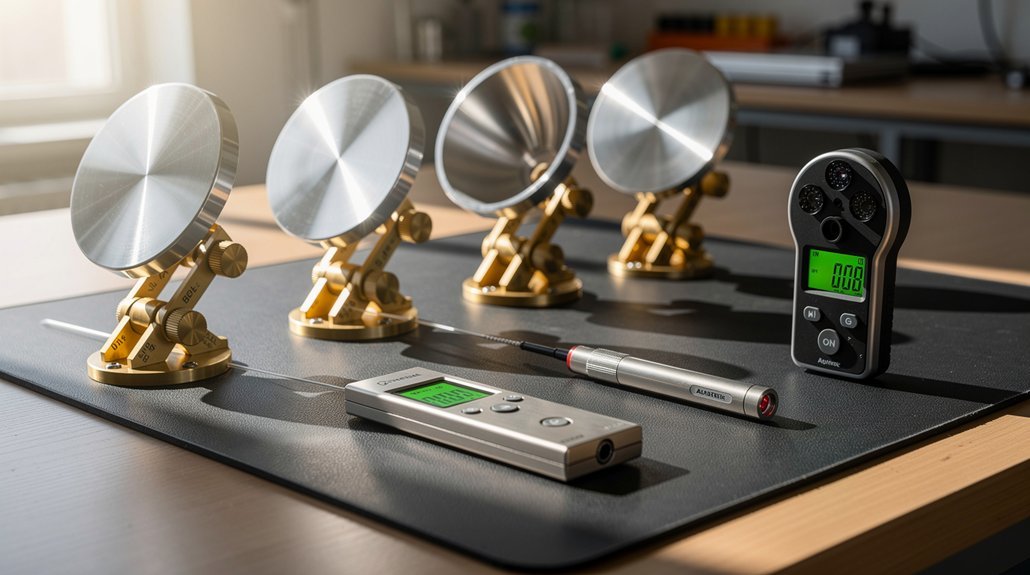
Successful solar cooking begins with smart budgeting for essential supplies and equipment. You'll need basic materials that won't break the bank but will guarantee efficient cooking. High temperatures can be achieved with parabolic designs for tasks like frying and boiling.
Start with corrugated cardboard and aluminum foil for your reflective panels, then add heat-resistant plastic bags or a glass bowl to trap warmth. Choose dark, thin-walled metal pots with tight lids for ideal heat absorption.
- A sturdy cardboard box transformed into a CooKit-style reflector
- Shiny aluminum foil smoothly applied to catch every ray of sunlight
- Clear oven-safe bags that create a greenhouse effect around your pot
- Dark enameled cookware that quickly captures and retains heat
- Insulating materials like foam or fabric to maintain cooking temperatures
You'll save considerably on fuel costs while preparing healthy, eco-friendly meals using these affordable supplies.
Selecting Weather-Friendly Recipes
Planning your solar menu requires careful consideration of weather patterns and sunlight availability. You'll want to choose recipes that work well with varying temperatures and sun exposure. Select ingredients that retain moisture and heat while cooking, like beans, root vegetables, and hearty grains.
| Recipe Type | Best Weather | Cooking Time |
|---|---|---|
| One-pot stews | Sunny/Partly cloudy | 3-4 hours |
| Bean dishes | Full sun | 4-5 hours |
| Root vegetables | Scattered clouds | 2-3 hours |
Start with simple recipes that don't require precise timing. You'll find that dark cooking vessels and oil help achieve better browning results. Layer your ingredients strategically, adding quick-cooking items later in the process. Popular dishes like Basque Chicken can be prepared with 20 minutes prep time before solar cooking begins. Pick seasonal produce and flexible recipes that can handle temperature fluctuations. With proper planning, you can create delicious meals while maximizing your solar cooker's efficiency.
Weekly Shopping And Storage
A well-organized shopping and storage system forms the backbone of efficient solar cooking. Start by creating a master shopping list from your consolidated recipes, and don't forget to estimate quantities based on your planned meals.
When shopping, stick strictly to your list and focus on seasonal ingredients for the best value and freshness.
Once you're home, group ingredients by recipe and store them properly to maintain their quality. Here's what you'll need:
- Clear storage containers with airtight lids for grains, beans, and pasta
- Labeled mason jars for spices and dried herbs
- A dedicated shelf in your refrigerator for perishables
- Heavy-duty freezer bags for batch-prepped ingredients
- A dry storage area with good ventilation for root vegetables
Remember to check your inventory regularly and maintain clean storage areas to prevent waste.
Meal Prep Storage Solutions
Your meal-prepped dishes will stay fresh and ready when you choose high-quality glass containers with airtight, leakproof lids that can handle temperature shifts from freezer to solar oven.
You'll want to control portions by selecting containers with divided compartments, which help maintain proper food temperatures and make reheating more efficient.
Managing time and portions becomes easier when you've got stackable containers that maximize fridge space and let you clearly see what's inside.
Airtight Containers Matter Most
When it comes to successful solar meal prep, choosing the right storage containers can make or break your efforts.
You'll want to invest in high-quality glass containers, particularly those made from borosilicate or tempered glass, as they're ideal for solar cooking and storage. These containers won't react with your food, won't absorb odors, and will maintain freshness longer than plastic alternatives.
- Glass containers with steam-venting lids preventing moisture buildup
- Stackable designs that maximize your fridge space
- Divided compartments keeping your proteins, grains, and vegetables separate
- Easy-locking clips ensuring an airtight seal
- Leak-proof containers that you can confidently transport
Look for trusted brands like Glasslock or Prep Naturals that offer both durability and versatility.
They'll withstand temperature changes from your solar cooker to your fridge, and they're dishwasher safe for easy cleaning.
Temperature and Time Control
Proper temperature control and timing represent two critical factors for maintaining food safety and quality in your solar meal prep containers.
You'll find these containers can handle extreme temperature ranges. Your glass containers work safely in ovens up to 450°F, while the stainless steel options are perfect for both oven and microwave use up to 1000W.
When freezing meals, don't overfill containers since liquids expand when frozen, and always label with dates to track storage time.
For microwave reheating, pop open the lid lock to release steam and prevent pressure buildup. Keep containers away from metal surfaces in the microwave to avoid sparking.
The borosilicate glass construction means you won't need to worry about thermal shock when moving containers between temperature extremes during your meal prep routine.
Portion Size Planning Tips
Three key elements make portion size planning successful for solar meal prep: accurate measurements, individualized serving calculations, and the right storage containers.
You'll need a kitchen scale and measuring cups to guarantee consistent portions across your 20 meals. Calculate your ideal serving sizes based on your lifestyle, fitness goals, and dietary needs, typically following the 50-25-25 rule for vegetables, protein, and grains.
- Glass containers with clear dividers showing perfectly portioned chicken, quinoa, and colorful roasted vegetables
- A digital scale displaying exactly 4 oz of lean protein ready for portioning
- Stackable containers lined up with pre-measured portions of grains and legumes
- Rainbow-colored measuring cups filled with different ingredients
- Meal prep containers showcasing the ideal plate ratio with half vegetables, quarter protein, and quarter grains
Solar Rice and Beans

Since solar cooking harnesses natural energy, rice and beans make an ideal dish for this eco-friendly method.
You'll need a Sun Oven and a dark, lightweight pot to capture maximum heat. Start by combining avocado or olive oil with your rice, chopped onion, and minced garlic in the pot.
Once your solar cooker reaches temperature, place the pot inside and let the ingredients warm until the onion softens.
Then, add hot bean broth and your choice of seasonings – cumin, chili powder, and smoked paprika work well. Cover and let the sun do its work until the broth absorbs into the rice.
After a 5-minute rest, you'll have a nutritious meal packed with fiber, protein, and essential minerals. This gluten-free dish serves perfectly as either a main course or hearty side.
Mediterranean Vegetable Medley
A vibrant Mediterranean vegetable medley makes an excellent addition to your solar cooking repertoire. You'll combine colorful sliced vegetables with aromatic herbs and seasonings for a delightful dish that captures the sun's warmth. Toss your eggplants, zucchini, peppers, and onions in olive oil before spreading them on your solar oven's baking sheet. A sprinkle of za'atar or sumac adds authentic Mediterranean flair.
- Sun-kissed tomatoes releasing their sweet juices into the mix
- Golden-brown edges of eggplant slices mingling with charred bell peppers
- Tender zucchini and summer squash glistening with herb-infused oil
- Caramelized onions and garlic creating an aromatic base
- Optional cubes of halloumi cheese melting slightly at the edges
Cook for 25-35 minutes until the vegetables are tender and lightly golden, stirring once halfway through.
Solar Baked Chicken

You'll want to generously season your chicken with herbs, garlic, and your choice of paprika or Espelette pepper before placing it in the solar oven to maximize flavor absorption during the slow cooking process.
For the quickest solar setup, position your oven in direct sunlight and allow at least 20 minutes of preheating time while you prep the chicken.
Once preheated, place your seasoned chicken in an oven-safe dish and let the sun's energy do the work, remembering to check the internal temperature reaches 180°F for food safety.
Season For Maximum Flavor
To elevate your solar-baked chicken from good to exceptional, proper seasoning makes all the difference. Start with a foundation of salt and black pepper, then layer in garlic powder and paprika for depth.
Create a flavorful marinade using soy sauce, olive oil, and fresh herbs, letting your chicken absorb these flavors for at least two hours before cooking. You'll enhance both taste and moisture while ensuring the seasonings stick to the meat during the solar cooking process.
- Fresh basil leaves dancing with olive oil and minced garlic
- Vibrant paprika dusting the chicken's surface like a sunset
- Capers and olives dotting the dish like jewels
- Mediterranean herbs releasing their aromatic oils
- Golden soy sauce marinade glistening on the meat
Quick Solar Setup Steps
Building your solar oven requires four essential steps that transform a simple cardboard box into an efficient cooking device.
Start by preparing a box with a lid, cutting a three-sided flap on top while leaving a 1-inch border. Make sure you've secured the flap with tape to create a hinge.
Next, line the bottom with black construction paper and cover all interior surfaces with aluminum foil.
Add insulation using cotton padding or crumpled newspapers. Create your window by securing clear plastic wrap over the opening, using two layers for better heat retention.
Install a heat-resistant cooking rack, leaving two inches of space above the foil surface.
Finally, position your reflector flap toward the sun, using skewers to prop it open. You'll need to preheat for 30-60 minutes before cooking begins.
One-Pot Solar Stews
One-pot solar stews offer a perfect introduction to solar cooking, combining fresh ingredients with the gentle power of sunlight.
You'll need a black saucepan or cast iron pot with a lid to capture maximum heat. Simply chop your vegetables, add lentils, broth, and seasonings, then let the sun work its magic.
Position your solar oven in direct sunlight, adjusting the reflectors to achieve ideal cooking temperature.
- Fresh tomatoes and zucchini simmering in aromatic herbs
- Steam rising as you lift the lid to check tenderness
- Colorful layers of vegetables creating a vibrant meal
- Rich broth slowly developing deep flavors
- Gentle bubbles rising to the surface as your stew cooks
Your one-pot solar stew won't burn, and it'll retain more nutrients than traditional cooking methods while using free, sustainable energy.
Solar Cooked Quinoa Bowls

You'll love how easy it's to prep 20 protein-packed quinoa bowls using just your solar cooker on a sunny weekend.
By cooking a large batch of quinoa and roasting multiple trays of vegetables simultaneously in your solar oven, you're maximizing efficiency while creating nutritious Buddha bowls.
Simply portion your solar-cooked ingredients into containers, add fresh toppings like herbs and lemon zest, and you've got quick, healthy meals ready for the week ahead.
Easy Weekend Meal Prep
Transform your weekend into a productive meal prep session with these nutritious solar-cooked quinoa bowls.
Start by roasting your vegetables at 425°F, tossing Brussels sprouts with adobo sauce and butternut squash with smoked paprika. While they're cooking, prepare your quinoa using broth for extra flavor, and whip up your choice of dressing – honey-Dijon, garlic yogurt, or tahini sauce.
- Vibrant Brussels sprouts caramelized with maple syrup and adobo
- Golden butternut squash cubes dusted with smoky paprika
- Fluffy quinoa studded with wilted kale ribbons
- Creamy avocado slices and crunchy seeds
- Rich sauces drizzled over perfectly arranged bowls
Assemble your bowls in meal prep containers, keeping fresh herbs and avocado separate until serving.
You'll have delicious, ready-to-eat meals for up to four days.
Protein-Rich Buddha Bowl Tips
While solar cooking offers a sustainable approach to meal prep, crafting protein-rich Buddha bowls requires careful attention to ingredients and timing. You'll need to solar cook your quinoa first, using a 1:2 ratio of quinoa to liquid, letting it absorb for about 45 minutes in full sun.
| Component | Prep Method | Timing | Key Seasoning |
|---|---|---|---|
| Quinoa | Solar cook | 45 min | Broth or salt |
| Tofu | Marinate | 30 min | Sesame oil, chili |
| Chickpeas | Roast | 25 min | Paprika, cumin |
| Sweet Potatoes | Roast | 35 min | Sea salt, pepper |
Build your bowl by starting with the quinoa base, then layer your protein sources – tofu, chickpeas, or both. Top with roasted sweet potatoes and fresh avocado. Finish with a drizzle of tahini dressing or peanut sauce for maximum flavor.
Quick Assembly Guide
Now that you understand the fundamentals of solar-cooked Buddha bowls, let's streamline the assembly process for quick and efficient meal prep.
Start by dividing your pre-cooked quinoa into portions across your containers. Layer your sun-roasted vegetables on top, creating a colorful palette of nutrients. Add your chosen protein source and drizzle with your preferred sauce for an extra burst of flavor.
- Vibrant quinoa base nestled in eco-friendly containers
- Rainbow-colored roasted vegetables glistening with olive oil
- Golden chickpeas or perfectly seared protein scattered throughout
- Fresh herbs adding pops of green throughout the bowl
- Creamy sauce drizzled in an artistic pattern on top
Remember to store components separately if you're not eating immediately, and add fresh ingredients like avocado just before serving.
You'll have delicious, sun-powered meals ready for the week ahead.
Budget-Friendly Solar Meals
Creating budget-friendly solar meals starts with a handful of versatile ingredients and basic equipment. You'll find that eggs, vegetables, and cheese can transform into quick breakfast frittatas or open-faced omelettes.
Meanwhile, pantry staples like spaghetti sauce and sausage make delicious solar lasagne. Simple ingredients like yogurt, garlic, and tandoori seasoning turn ordinary chicken into a flavorful feast.
You don't need fancy equipment to get started. Use a commercial solar cooker or build your own using two boxes and second-hand materials. Dark-colored baking sheets help absorb heat efficiently, while herbs and spices add flavor without extra cost.
Best of all, you'll save money by eliminating energy bills since you're cooking with free sunlight. Prep times are surprisingly short, ranging from 5 minutes for tandoori chicken to 25 minutes for a complete chicken dinner.
Seasonal Solar Cooking Tips

You'll get the most from your solar cooking between 11:00 AM and 3:00 PM, when the sun's rays are strongest and most direct.
In winter, plan for slightly longer cooking times and keep your oven stored indoors to reduce preheating, while summer allows for extended cooking windows from morning to late afternoon.
Track weather forecasts to schedule your meal prep on clear, sunny days, and consider preparing multiple dishes simultaneously during ideal conditions to maximize your solar cooking efficiency.
Best Times to Cook
Understanding the best times for solar cooking is essential for successful meal preparation. You'll get ideal results between 11:00 am and 3:00 pm when the sun's UV rays are strongest.
During shorter seasons, you can extend your cooking window from 10:00 am to 4:00 pm. Remember to reposition your solar oven every 30 minutes to maintain consistent heat.
- Picture yourself baking fresh bread as the midday sun beams down
- Imagine checking your solar thermometer as your casserole bubbles
- Visualize adjusting your cooker's reflective panels to catch maximum sunlight
- See yourself positioning stones around the base for stability on breezy days
- Envision rotating your dark cookware to follow the sun's path
Always pre-heat your oven for 15-20 minutes before cooking, and make sure it's placed in direct sunlight away from shadows.
Winter Vs Summer Strategies
Successful solar cooking requires distinct strategies as the seasons change. During winter, you'll need to adjust your cooker's position more frequently since the sun sits lower in the sky. Plan to reposition every 30-45 minutes to maintain ideal sun exposure.
Winter cooking demands extra patience and preparation. You'll want to preheat your cooker, use black cookware, and add oven roasting bags for better heat retention. Soaking grains overnight and using vacuum-tube cookers can help offset longer cooking times.
In summer, you'll have more flexibility with timing and placement, but still monitor steam indicators to check doneness without opening the lid.
Year-round, choose flat, sunny spots away from shadows. In winter, take advantage of snow's reflective properties to boost cooking power, while in summer, seek shelter from strong winds.
Weather-Based Meal Planning
When planning meals for solar cooking, timing is essential for peak results. You'll want to schedule your cooking between 11 AM and 3 PM when the sun's position is prime. For the best efficiency, start preheating your solar cooker at 10 AM to maximize your cooking window.
- Hearty stews simmering in cast iron pots under bright winter sunshine
- Tender vegetables roasting slowly in enameled dishes during peak summer hours
- Rice and beans cooking steadily while steam rises in a sheltered corner
- Quick-cooking flatbreads baking on dark metal sheets in clear morning light
- Soups warming gently as afternoon sun streams through reflective panels
Watch weather forecasts carefully to plan your menu. Choose quick-cooking items for partly cloudy days, and save longer-cooking dishes for clear, bright days.
Remember that humidity and wind can affect cooking times, so keep flexible backup options ready.
Batch Solar Bread Making
Baking multiple loaves of bread using solar power requires careful planning and the right combination of ingredients.
You'll need to choose between recipes like buttermilk bread or Solar Farmhouse Bread, depending on your batch size. For a large batch, combine 13 cups flour, 3 tablespoons each of yeast and salt, and 6 cups water.
Let your bread machine handle the mixing and kneading on the dough setting.
Once complete, shape your loaves on a floured surface and place them in oiled pans. While they're rising for 30-45 minutes, preheat your solar oven.
You'll know your bread is ready when it browns and sounds hollow when tapped, typically taking 40 minutes to 1.5 hours depending on your recipe and sunlight conditions.
Solar Roasted Root Vegetables

Root vegetables transform into caramelized delicacies when roasted in a solar oven.
You'll need to preheat your solar oven to 425°F, then cut your vegetables into 1-inch chunks. Toss them with olive oil, kosher salt, and black pepper, then arrange them in a single layer on a parchment-lined baking sheet.
- Sweet potatoes turning golden brown with crispy edges
- Carrots glistening with herb-infused olive oil
- Purple beets releasing their rich, earthy aroma
- Parsnips caramelizing to a honey-like sweetness
- Turnips developing a golden crust while staying tender inside
For extra flavor, add minced garlic and fresh herbs halfway through the 40-minute roasting time.
Remember to toss the vegetables once during cooking for even browning. Finish with a drizzle of lemon-herb butter for an irresistible side dish.
Protein Meal Prep Guide
Just as solar ovens transform root vegetables, they can power up your protein-rich meal prep routine. You'll find countless options for solar-cooking proteins, from lean meats to plant-based alternatives.
Try solar-cooking chicken breast for your Cajun pasta or tikka masala, both offering over 40g of protein per serving.
For plant-based meals, you can solar-cook lentil lasagna or chickpea cutlets that'll rival traditional meat dishes in protein content.
Don't forget about eggs and legumes – they're perfect for solar cooking and pack a serious protein punch. Keep containers ready for your prepped meals, and you'll be set for a week of high-protein dining.
Remember to time your solar cooking around peak sunlight hours, and you'll create nutritious, protein-rich meals while harnessing clean energy.
Solar Cooking Time Management

While mastering solar cooking requires patience, effective time management can make your meal prep sessions highly productive.
You'll want to start your cooking between 11:00 am and 3:00 pm when the sun's energy is strongest.
Begin preheating your solar cooker by 10:00 am, and remember that cooking times are typically double those of conventional ovens.
Rotate your cooker every 30 minutes to follow the sun's path for ideal heat absorption.
- Dark pots sizzling with aromatic stews in the midday sun
- Shimmering aluminum reflectors directing golden rays into your cooker
- Steam rising from perfectly cooked rice as you lift the glass lid
- Multiple dishes bubbling away simultaneously in your solar setup
- Warm, ready-to-pack meals lined up for the week ahead
Freezer-Friendly Solar Recipes
Savvy solar chefs know that freezer-friendly recipes are perfect for efficient meal preparation using the sun's power.
You'll get great results when you cut frozen chicken into smaller pieces before cooking, and you can even cook frozen dumplings directly in your solar oven.
To maximize your cooking success, preheat your solar oven and use reflective materials to boost temperatures up to 200 degrees Fahrenheit.
You can create delicious breakfast frittatas and open-faced omelets using frozen vegetables, while frozen fruits work well in solar-baked scones.
For best results, verify your ingredients are in manageable pieces and position your oven for ideal sunlight exposure.
Don't forget to adjust the reflector flap and monitor weather conditions, as they'll considerably impact your cooking performance.
Weekly Solar Meal Calendar

Creating a weekly solar meal calendar lets you maximize your sun-powered cooking efficiency.
Plan your meals around peak sunlight hours and organize your week to include a mix of cooking methods. You'll want to batch-cook ingredients that you can transform into different dishes throughout the week, saving both time and energy.
- Monday: Solar-baked chicken with roasted vegetables that you'll repurpose for Wednesday's stir-fry
- Tuesday: Sun-simmered bean stew that doubles as Friday's burrito filling
- Wednesday: Quick-prep salads using Monday's leftovers
- Thursday: Solar-cooked rice and curry during peak sun hours
- Friday: Mexican fiesta using Tuesday's beans and fresh toppings
Remember to prep ingredients the day before and keep your calendar flexible based on weather conditions and seasonal produce availability.
Solar Cooking Safety Guidelines
Before firing up your solar cooker, understanding proper safety guidelines is essential for protecting both your health and your eyes. You'll need to monitor temperatures carefully, keeping food above 140°F and below 300°F. Always wear sunglasses when checking your meals, and position yourself so your shadow blocks direct sunlight.
| Time Period | Temperature Range | Safety Action |
|---|---|---|
| 11AM-3PM | 200-300°F | Monitor with probe thermometer |
| Every 1-2 hrs | 140°F minimum | Adjust oven position |
| <2-4 hrs | 40-140°F | Keep food out of danger zone |
| Immediate | 145-165°F | Check meat temperatures |
| Throughout | Any | Use shadow approach method |
Store raw and cooked foods separately, and discard any items that spend too long in the danger zone. For parabolic cookers, consider installing protective fencing or mesh to prevent eye damage from intense reflections.
Reheating Solar Cooked Meals

When you're ready to reheat previously cooked meals, solar cookers offer an energy-efficient solution that preserves both flavor and texture.
Add a small amount of water to maintain moisture while the sun's rays gently warm your food. You'll need to position your cooker in direct sunlight and adjust its angle throughout the day to follow the sun's path for ideal results.
- Steam rising from a perfectly reheated rice dish, tender and fluffy after solar warming
- Reflective panels gleaming in the sunlight, focused precisely on your black cooking pot
- Crystal-clear cover trapping valuable heat while you watch your meal warm through
- Droplets of moisture keeping your food succulent as it reaches serving temperature
- Golden sunlight bouncing off the adjustable reflectors, creating a natural heating zone
Cost Savings Breakdown
Three major cost benefits emerge when you switch to solar cooking: reduced fuel expenses, lower environmental impact costs, and decreased health-related spending.
You'll see immediate savings on your monthly fuel bills since you won't need to buy wood, charcoal, or gas for cooking.
When you use a solar cooker for just one meal daily, you'll cut your CO2 emissions by 16.32 kg per month, contributing to global environmental savings. If everyone used solar cookers for 25% of their cooking, we'd save over $1 trillion worldwide annually.
The health benefits translate directly to your wallet too. You'll spend less on medical care by avoiding smoke-related illnesses from traditional cooking methods.
Plus, you'll only need about $200 yearly for maintenance, making solar cooking an incredibly cost-effective choice for your household.
Frequently Asked Questions
Can Solar Cooking Work on Slightly Cloudy or Partly Overcast Days?
Yes, you can still use solar cooking on slightly cloudy days, though it'll take longer. You'll need to adjust cooking times, focus on quick-cooking foods, and consider using insulated ovens to maintain efficiency.
What Happens if Animals Are Attracted to the Cooking Smells Outside?
You'll need to take precautions by cooking away from your living area, storing food securely, and cleaning up thoroughly. Consider using less aromatic foods and don't leave any scraps that might attract wildlife.
Does Food Cooked in a Solar Cooker Taste Different Than Conventionally?
You'll find solar-cooked food tastes better than conventional cooking. It's more flavorful since there's no added water, and the slow, even heating breaks down carbohydrates into natural sugars, making food more succulent.
How Do You Maintain Proper Hygiene When Cooking Outdoors With Solar Equipment?
You'll need to sanitize all utensils and containers before use, keep your hands clean, protect food from insects, and guarantee your cooking area is clean. Don't forget to check temperatures with a thermometer.
Can Solar Cooking Be Done on High-Rise Apartment Balconies Effectively?
Yes, you can solar cook effectively on high-rise balconies if you've got direct sunlight, especially on south-facing balconies. You'll need adequate space and should check building regulations first for safety requirements.
In Summary
You'll discover that solar batch cooking revolutionizes your meal prep routine while drastically cutting energy costs. By dedicating one sunny day to preparing 20 meals, you're not just saving money – you're creating a sustainable cooking practice that's good for your wallet and the planet. Start small, follow the safety guidelines, and watch your monthly expenses shrink as you master this eco-friendly cooking method.